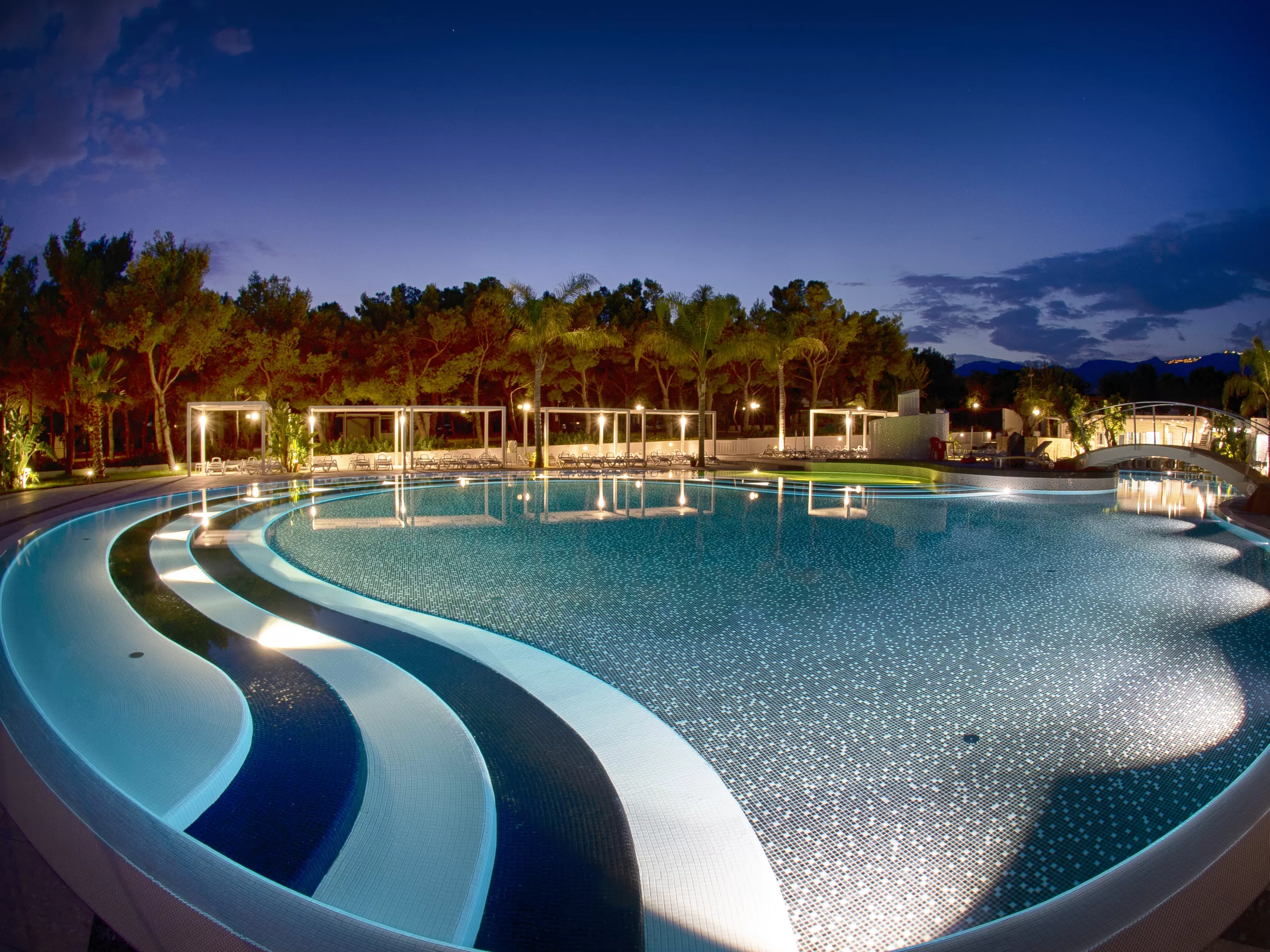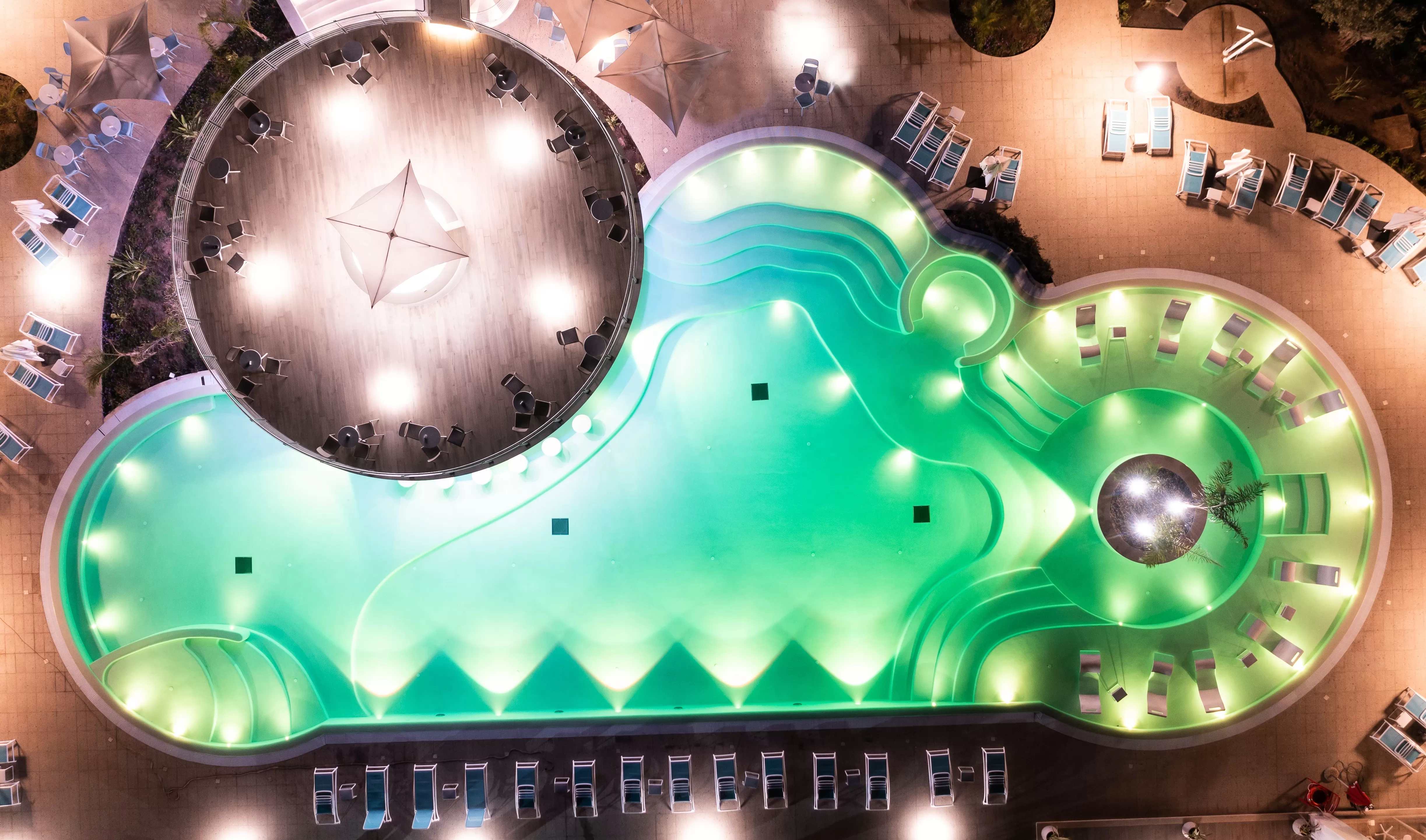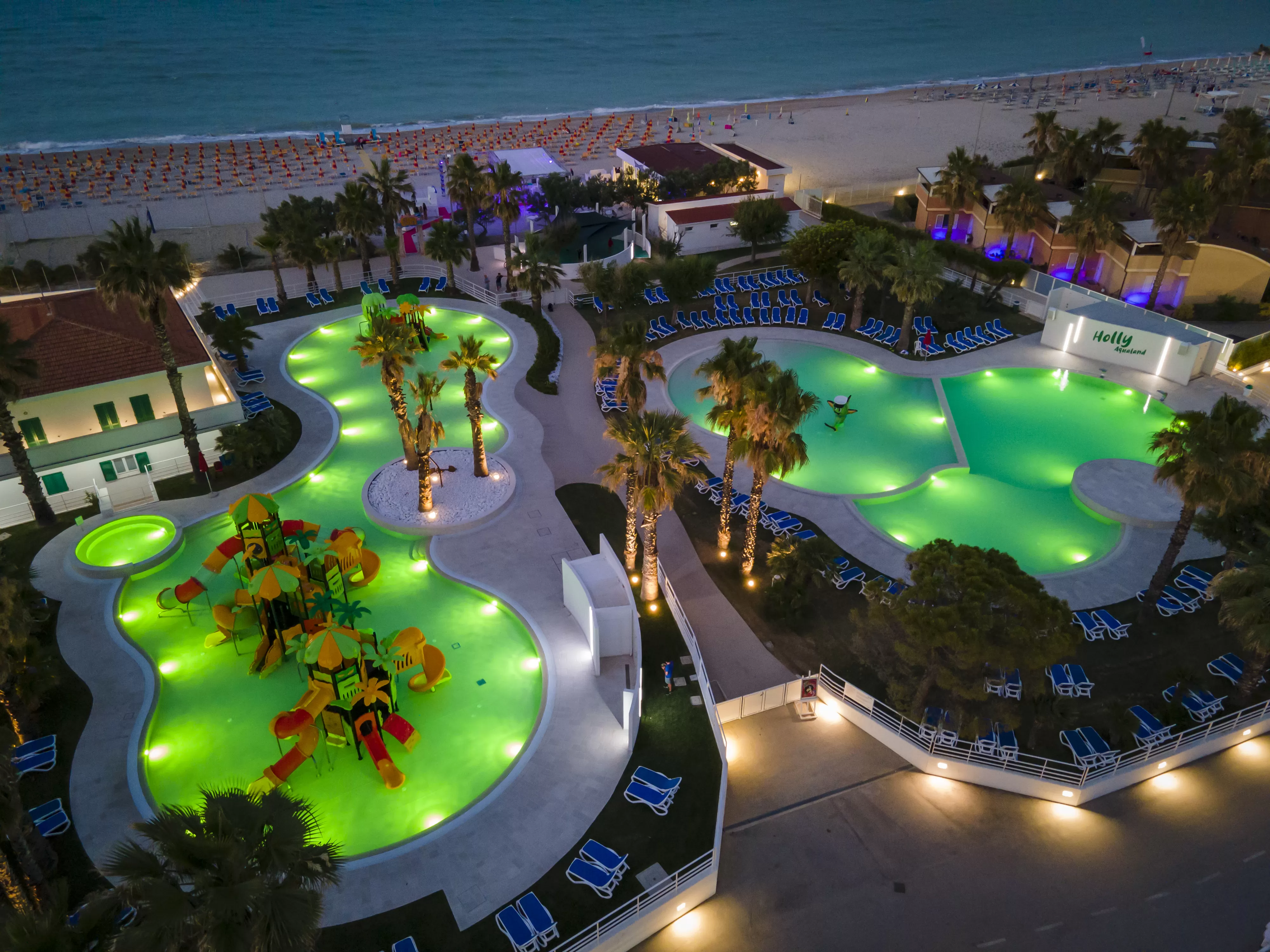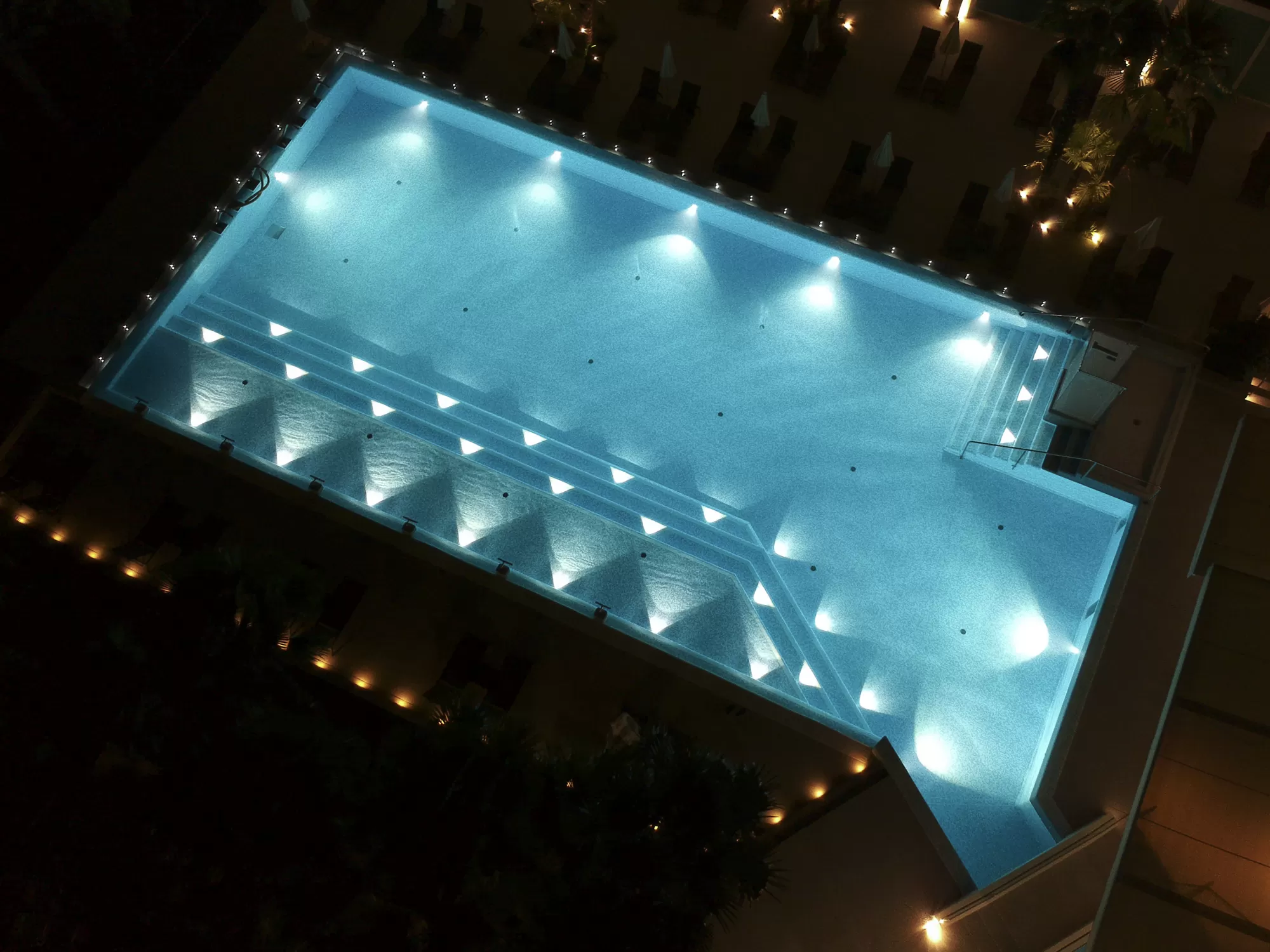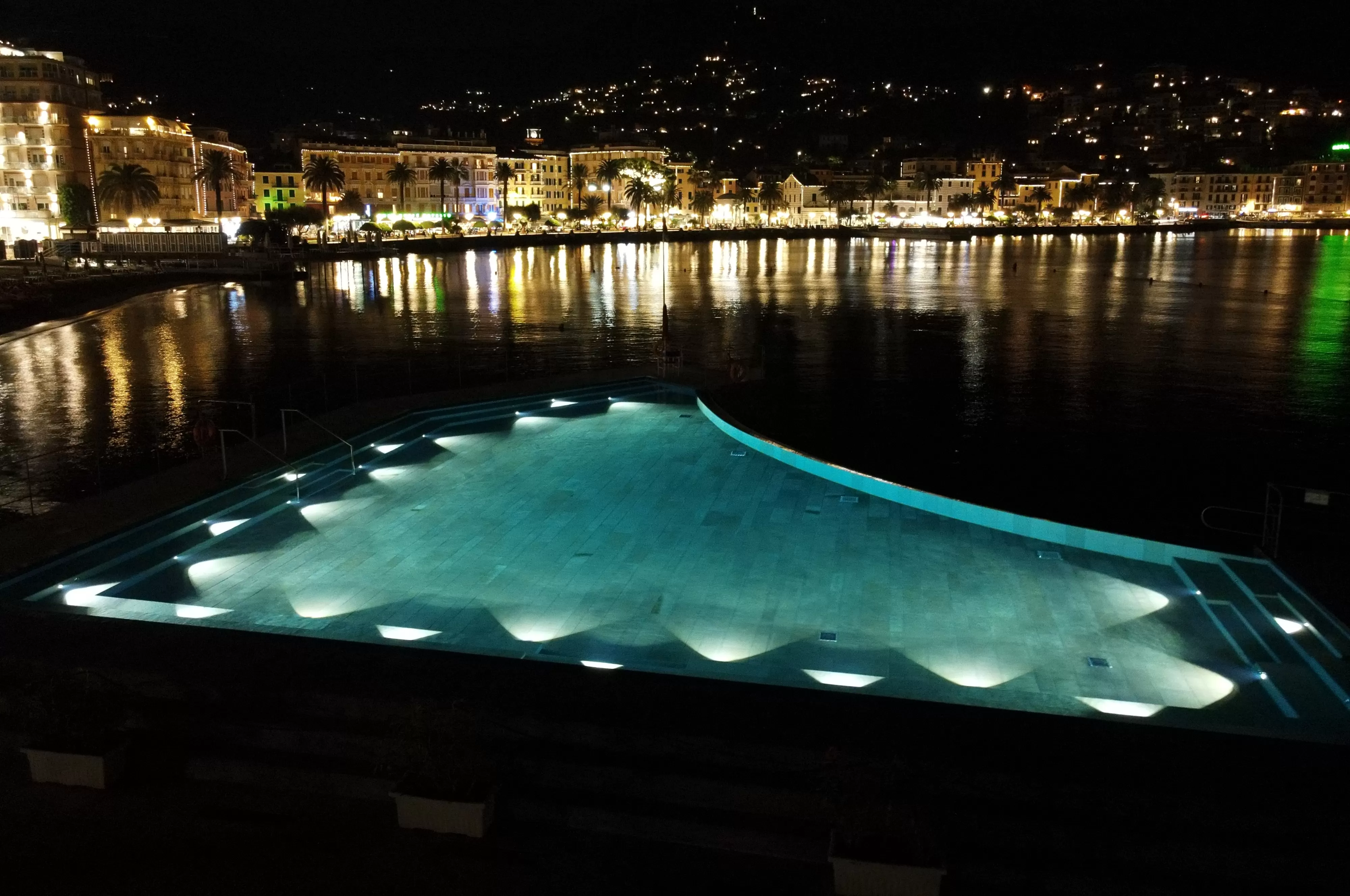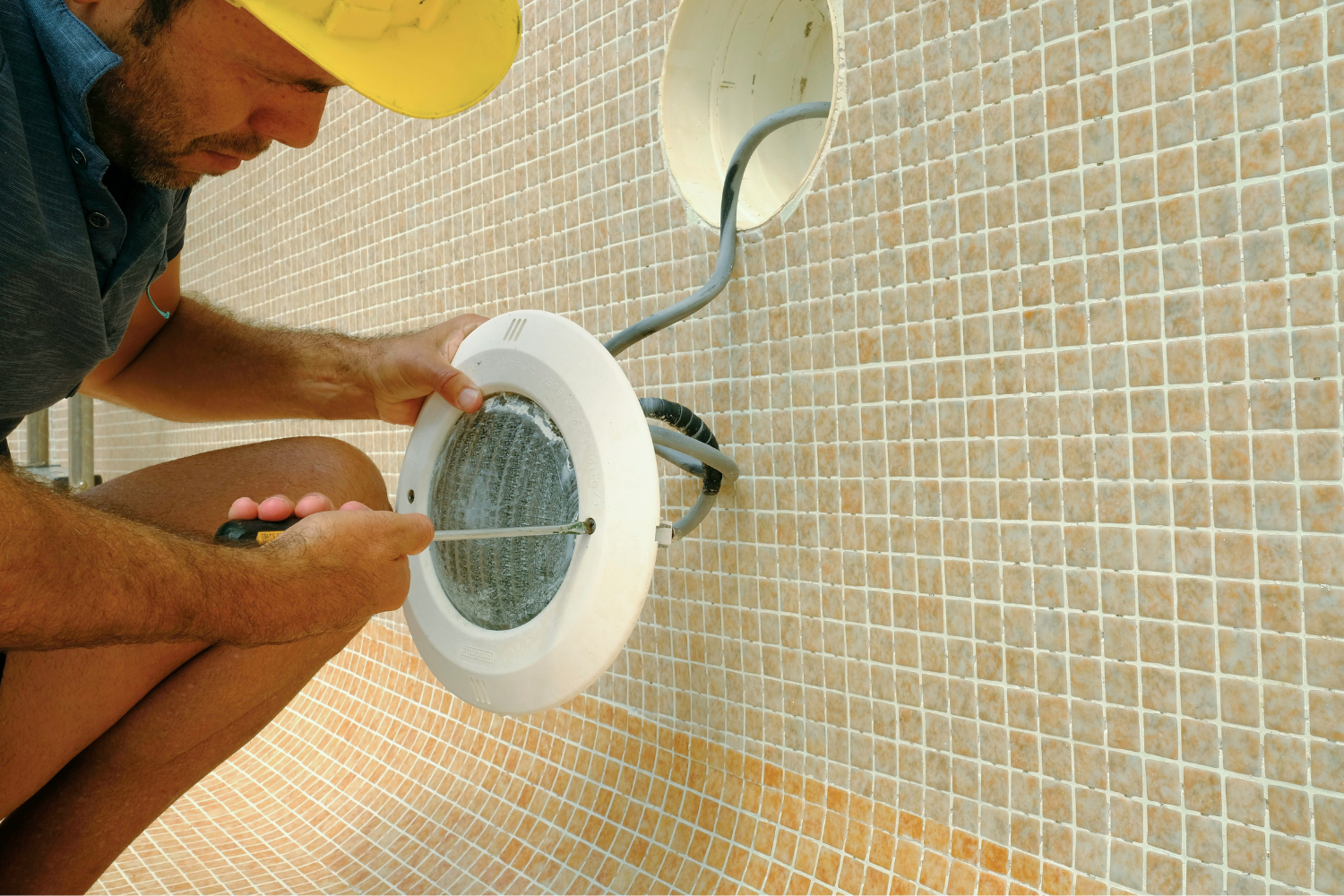
The lighting system of a pool is a crucial element for ensuring safety and creating a captivating atmosphere. This system includes several components, such as underwater lights, transformers, wiring, and control panels. Underwater lights, often LED, ...
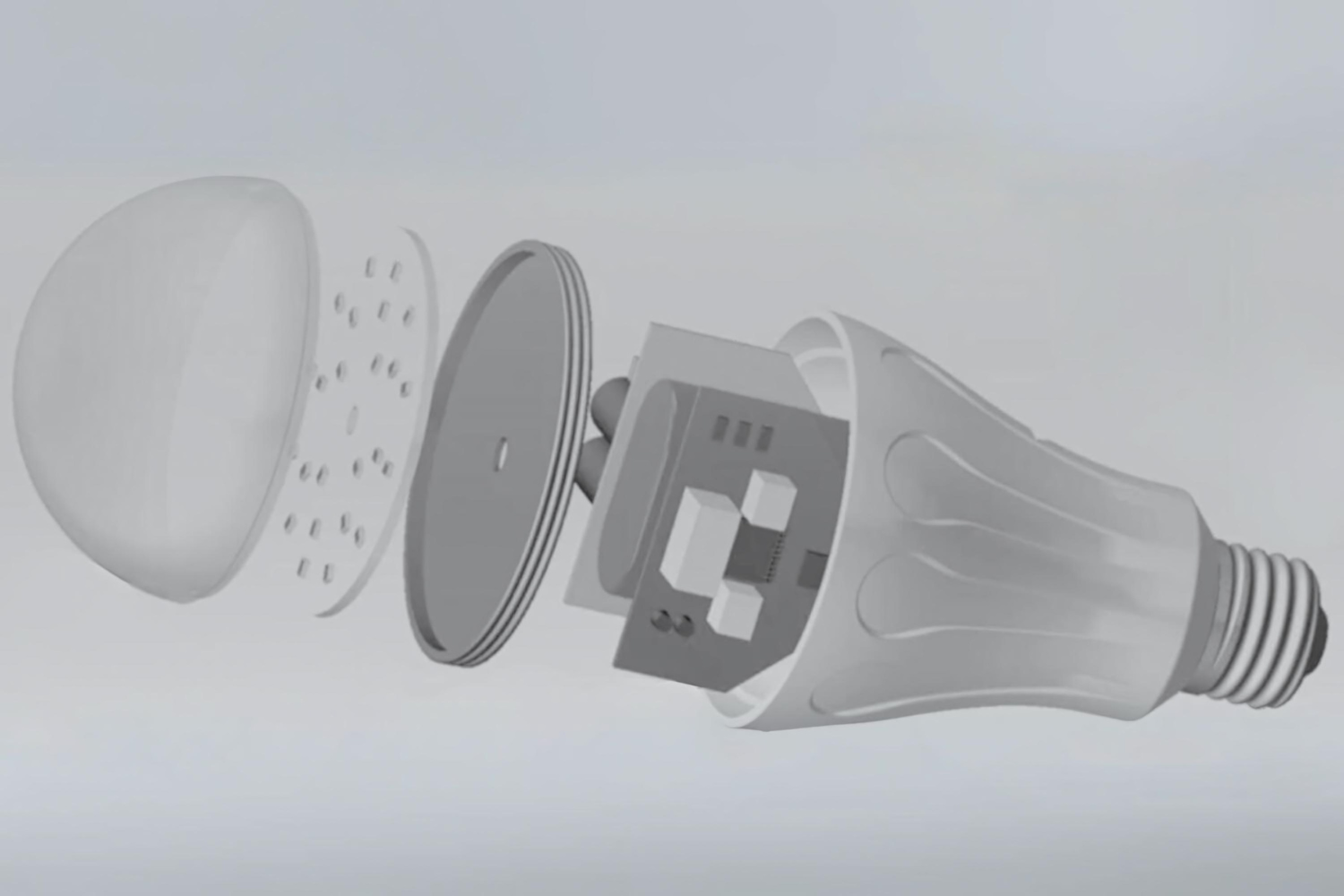
How Many Components Make Up a Lamp?
Before understanding how a lamp is constructed from a structural standpoint, it is important to mention what the regulations stipulate for this type of product. Since it is a device that operates continuously underwater, the required protection ratin...

PLC (Powerline communication) Technology
Powerline Comunication (PLC), in Italian, it is called "Onde Convogliate" (OC), is a technology that enables the sending and reading of data using the power line of an appliance, in our case the 12 V AC line. To relate it to everyday life, it is the ...

What is LED and what are its benefits
The LED (Light Emitting Diode) is an electronic component (diode) that emits a light free of infrared and ultraviolet rays when passing a current, generally lower than that of traditional lamps, turning on immediately and at maximum power. It therefo...

DMX technology (Digital MultipleX)
DMX512, often shortened to DMX (Digital MultipleX), is a digital communication standard used primarily for stage lighting control in the entertainment industry, to control numerous lights and effects from a control desk....

Zone 0 and Zone 1
In order to ensure the safety of bathers and those around the pool, areas are defined in pools where only SELV (Safety Extra Low-Voltage) can be used. This voltage cannot exceed 12 V AC (alternate current) or 30 V DC (direct current)....

Problems with incorrect joints
Usually the cable that comes from the technical room, before reaching the niche (A), is interrupted inside a junction box (B). Unfortunately, experience shows that these junction boxes are often not watertight and fill up with water or moisture. In t...

How were pools lit in the past and how are they lit today?
In the past, the PAR56 lamp was commonly used for lighting swimming pools. The suffix ‘PAR’ stands for ‘Parabolic Aluminised Reflector’, which means that these lamps have a parabolic aluminium reflector that helps to focus...

Rusting of steel in salt water
In pools with free chlorine produced by electrolysis ("salt pools") any metal in the pool can be affected by rust. Even the finest steels can be affected by this phenomenon.
―